Table of Contents
ToggleThis internet of things guide explains how connected devices work, why they matter, and what they mean for daily life. The Internet of Things (IoT) connects billions of devices worldwide. These devices share data, automate tasks, and create smarter environments. From smart thermostats to industrial sensors, IoT technology reshapes how people live and work. Understanding IoT helps consumers and businesses make informed decisions about connected technology. This guide covers the fundamentals of IoT, how it works, real-world applications, and the benefits and challenges of adoption.
Key Takeaways
- The Internet of Things (IoT) connects billions of devices that collect, share, and process data to automate tasks and create smarter environments.
- IoT technology works through three core components: sensors that gather data, networks that transmit it, and software that processes information into actionable insights.
- Common IoT applications include smart home devices, wearables, connected vehicles, and smart city infrastructure that improve efficiency and convenience.
- IoT adoption delivers measurable benefits like 10-15% energy savings from smart thermostats and 15-25% productivity gains for businesses.
- Security vulnerabilities and privacy concerns remain top challenges—always use strong passwords and keep device firmware updated.
- This internet of things guide helps consumers and businesses make informed decisions about adopting connected technology.
What Is the Internet of Things?
The Internet of Things refers to physical devices that connect to the internet and exchange data. These devices include sensors, appliances, vehicles, and machines. Each IoT device collects information from its environment and shares it with other systems.
A simple example: a smart thermostat measures room temperature and sends that data to an app on a smartphone. The homeowner adjusts settings remotely. The thermostat learns preferences over time and automates heating and cooling schedules.
IoT differs from traditional internet-connected computers. IoT devices often perform specific functions. They may lack screens or keyboards. Many operate continuously in the background without user input.
The internet of things includes three main components:
- Devices and sensors – Hardware that collects data (temperature, motion, location)
- Connectivity – Networks that transmit data (Wi-Fi, Bluetooth, cellular, satellite)
- Data processing – Software that analyzes information and triggers actions
By 2025, experts estimate over 75 billion IoT devices exist globally. This number continues to grow as manufacturers add connectivity to more products. Everything from refrigerators to factory equipment now joins the internet of things ecosystem.
How IoT Technology Works
IoT technology follows a straightforward process. Devices collect data, transmit it to a central system, and software processes the information to produce useful outcomes.
Data Collection
Sensors gather raw information. A fitness tracker measures heart rate and step count. A smart doorbell detects motion and captures video. Industrial sensors monitor machine vibration and temperature. Each sensor converts physical measurements into digital data.
Data Transmission
Connected devices send data through various networks. Home IoT devices typically use Wi-Fi or Bluetooth. Wearables connect to smartphones via Bluetooth Low Energy (BLE). Industrial IoT systems may use dedicated protocols like LoRaWAN or cellular networks for remote locations.
Cloud platforms receive and store this transmitted data. Major providers like AWS, Microsoft Azure, and Google Cloud offer IoT-specific services.
Data Processing and Action
Software analyzes incoming data. Simple systems trigger basic responses, a motion sensor turns on lights. Advanced systems use machine learning to identify patterns and predict outcomes.
For example, a smart irrigation system does more than measure soil moisture. It analyzes weather forecasts, historical data, and plant requirements. The system then creates an optimized watering schedule.
This internet of things guide emphasizes that the real value comes from data processing. Raw sensor data means little without analysis. Smart algorithms turn measurements into actionable insights.
Common IoT Applications in Everyday Life
IoT applications appear in homes, cities, healthcare, and industry. Here are the most common examples people encounter daily.
Smart Home Devices
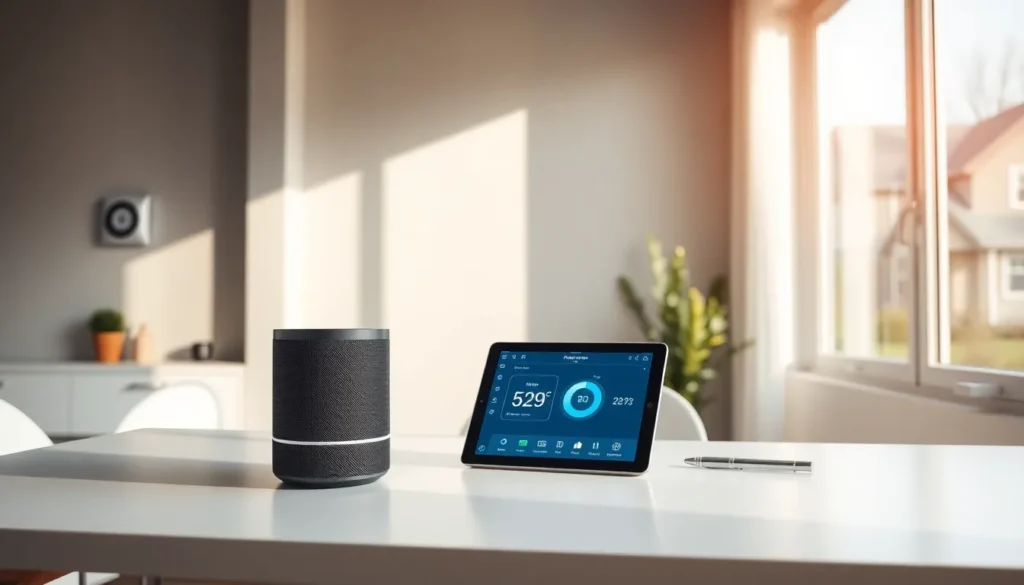
Smart speakers like Amazon Echo and Google Nest respond to voice commands. They control other IoT devices, play music, and answer questions. Smart plugs turn ordinary appliances into connected devices. Security cameras and video doorbells provide remote monitoring.
Smart thermostats reduce energy costs by learning household patterns. Brands like Nest and Ecobee claim savings of 10-15% on heating and cooling bills.
Wearable Technology
Fitness trackers and smartwatches monitor health metrics. They track steps, sleep quality, heart rate, and blood oxygen levels. Some devices detect irregular heart rhythms and alert users to potential health issues.
The internet of things extends to medical wearables. Continuous glucose monitors help diabetics manage blood sugar. Smart hearing aids adjust to different environments automatically.
Connected Vehicles
Modern cars contain dozens of IoT sensors. These systems monitor tire pressure, engine performance, and driver behavior. GPS and telematics enable navigation, emergency services, and usage-based insurance.
Smart Cities
Municipalities deploy IoT for traffic management, waste collection, and public safety. Smart traffic lights reduce congestion by adjusting timing based on real-time vehicle flow. Connected streetlights dim when streets are empty, saving energy.
Benefits and Challenges of IoT Adoption
IoT adoption offers significant advantages but also presents real concerns. Anyone using this internet of things guide should understand both sides.
Key Benefits
Efficiency and automation – IoT reduces manual tasks. Smart systems optimize energy use, inventory management, and maintenance schedules. Businesses report productivity gains of 15-25% after IoT implementation.
Better decision-making – Real-time data enables faster, smarter choices. Farmers use soil sensors to irrigate precisely. Retailers track inventory automatically. Healthcare providers monitor patients remotely.
Cost savings – Predictive maintenance prevents expensive equipment failures. Smart energy systems lower utility bills. Automated processes reduce labor costs.
Convenience – Consumers enjoy hands-free control and personalized experiences. Voice assistants, automated lighting, and smart appliances simplify daily routines.
Notable Challenges
Security vulnerabilities – Connected devices create entry points for hackers. Many IoT devices ship with weak default passwords. Security updates may be infrequent or unavailable.
Privacy concerns – IoT devices collect vast amounts of personal data. Users worry about surveillance, data sales, and unauthorized access. Clear policies and user controls help address these fears.
Interoperability issues – Devices from different manufacturers often don’t work together seamlessly. Competing standards and protocols create fragmented ecosystems.
Implementation costs – While IoT saves money long-term, upfront investment can be substantial. Small businesses may struggle to justify initial expenses.
Addressing these challenges requires careful planning. Buyers should research device security, update firmware regularly, and use strong passwords.