Table of Contents
ToggleThe internet of things for beginners can seem confusing at first. Smart speakers, connected thermostats, and wearable fitness trackers all share one thing: they communicate through the internet. This technology has grown rapidly, with over 15 billion IoT devices active worldwide in 2023. That number is expected to double by 2030. Understanding IoT doesn’t require a technical background. This guide breaks down the basics of connected technology, explains how it works, and shows practical ways to start using it at home.
Key Takeaways
- The internet of things for beginners refers to physical devices that connect online, share data, and automate tasks without manual input.
- IoT devices work through a simple cycle: sensors collect data, connectivity transfers it, and platforms process it to trigger actions.
- Common IoT examples include smart speakers, thermostats, fitness trackers, and connected vehicles that simplify daily life.
- Smart thermostats and energy-efficient IoT devices can reduce utility bills by 10-15% through automated adjustments.
- Start your IoT journey with affordable devices like smart plugs or light bulbs, then expand gradually to thermostats and security cameras.
- Protect your IoT setup by changing default passwords, updating firmware regularly, and using a separate Wi-Fi network for connected devices.
What Is the Internet of Things?
The internet of things refers to physical devices that connect to the internet and share data with each other. These devices include sensors, appliances, vehicles, and wearables. They collect information from their environment and send it to other systems.
The term “internet of things” was first used in 1999 by Kevin Ashton, a British technology pioneer. He described a system where everyday objects could communicate without human input. Today, that vision has become reality.
IoT differs from traditional internet use. A laptop requires a person to browse websites or send emails. An IoT device operates automatically. A smart thermostat reads the room temperature and adjusts heating without any manual input. A fitness tracker monitors heart rate and sends data to a smartphone app.
The internet of things creates a network of connected objects. These objects gather data, process it, and respond to conditions in real time. This automation saves time and improves efficiency in homes, businesses, and cities.
How IoT Devices Work
IoT devices follow a simple process: sense, connect, and act. Each device contains sensors that detect changes in the environment. Temperature sensors measure heat. Motion sensors detect movement. Light sensors track brightness levels.
Once a sensor gathers data, the device sends that information over a network. Most IoT devices use Wi-Fi, Bluetooth, or cellular connections. Some devices rely on specialized protocols like Zigbee or Z-Wave, which consume less power.
The data travels to a central platform or cloud service. This platform processes the information and makes decisions. For example, a smart irrigation system receives weather data and soil moisture readings. The platform analyzes these inputs and decides whether to water the lawn.
Finally, the system acts on the decision. It might turn on a sprinkler, send a notification to a phone, or adjust a setting. This entire cycle happens in seconds.
The internet of things depends on three core components:
- Sensors and devices – Collect data from the physical world
- Connectivity – Transfer data through wireless or wired networks
- Data processing – Analyze information and trigger actions
Without any one of these components, the system cannot function. Together, they create a feedback loop that makes IoT useful.
Common Examples of IoT in Everyday Life
The internet of things appears in many forms around homes and public spaces. Some examples are obvious. Others operate quietly in the background.
Smart Home Devices
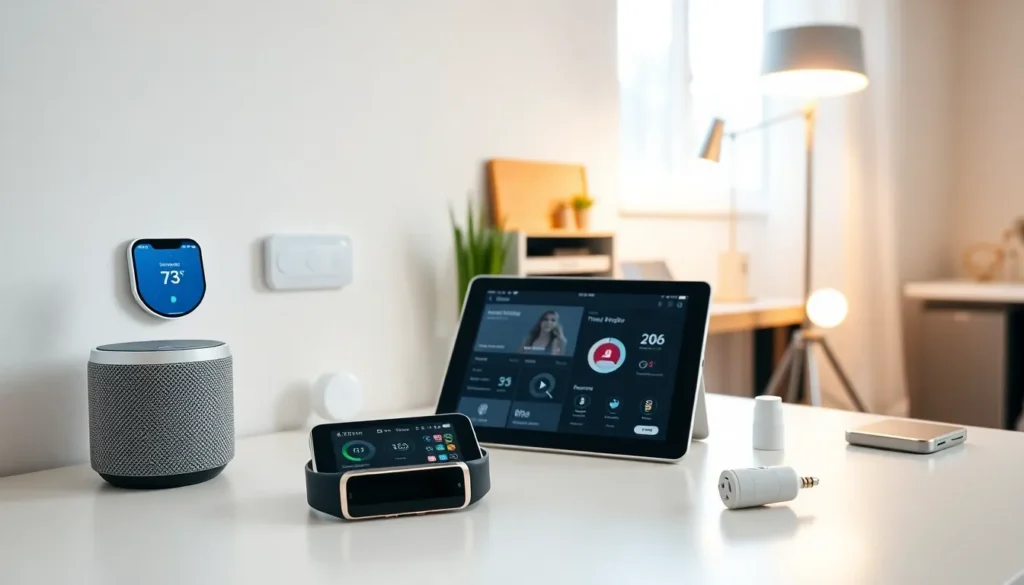
Smart speakers like Amazon Echo and Google Nest respond to voice commands. They play music, answer questions, and control other connected devices. Smart plugs turn regular appliances into connected ones. Smart light bulbs adjust brightness and color through an app.
Smart thermostats like the Nest Learning Thermostat learn household patterns. They lower heating when no one is home and raise it before residents return. This automation can reduce energy bills by 10-15%.
Wearable Technology
Fitness trackers and smartwatches monitor health metrics. They count steps, track sleep quality, and measure heart rate. Medical wearables can detect irregular heartbeats and alert users to seek care.
Connected Vehicles
Modern cars use IoT for safety and convenience. GPS systems provide real-time traffic updates. Sensors detect nearby obstacles and assist with parking. Some vehicles send maintenance alerts when oil levels drop or tire pressure falls.
Smart City Infrastructure
Cities use IoT to manage traffic lights, monitor air quality, and optimize waste collection. Smart meters track electricity and water usage, helping utilities reduce waste and improve service.
The internet of things touches nearly every aspect of daily life. Most people interact with IoT devices without realizing it.
Benefits and Challenges of IoT
The internet of things offers clear advantages. Automation saves time on repetitive tasks. Energy-efficient devices lower utility costs. Health wearables encourage better fitness habits and provide early warnings about medical issues.
Businesses benefit from IoT through improved operations. Manufacturers use sensors to monitor equipment and predict failures before they happen. Retailers track inventory in real time and restock shelves faster.
Key Benefits
- Convenience – Devices handle tasks automatically
- Efficiency – Systems optimize energy and resource use
- Insights – Data reveals patterns and informs better decisions
- Safety – Sensors detect hazards like smoke, leaks, or intrusions
But, the internet of things also presents challenges. Security remains a top concern. Each connected device creates a potential entry point for hackers. Weak passwords and outdated software make devices vulnerable.
Privacy is another issue. IoT devices collect personal data constantly. Smart speakers record voice commands. Fitness trackers log health information. Users must trust that companies protect this data responsibly.
Compatibility can frustrate beginners too. Not all IoT devices work together. A smart bulb from one brand might not sync with a hub from another. Researching compatibility before buying saves headaches later.
Even though these challenges, the benefits often outweigh the risks. Taking basic precautions, like using strong passwords and updating firmware, reduces most security concerns.
Getting Started With IoT at Home
Starting with the internet of things doesn’t require a big investment. A few affordable devices can introduce the basics and provide immediate value.
Step 1: Choose a Smart Hub or Ecosystem
Most IoT setups benefit from a central hub. Amazon Alexa, Google Home, and Apple HomeKit are popular choices. Each ecosystem works best with devices designed for that platform. Pick one and build around it.
Step 2: Start With a Simple Device
Smart plugs cost under $15 and work with almost any appliance. Plug a lamp or fan into a smart plug, and control it with a phone or voice command. This small step demonstrates how IoT works without complexity.
Smart light bulbs are another easy entry point. Brands like Philips Hue and Wyze offer affordable options. Users can dim lights, set schedules, and change colors through an app.
Step 3: Expand Gradually
After mastering basic devices, add a smart thermostat or a video doorbell. These devices provide more noticeable benefits like energy savings and home security.
Step 4: Secure the Network
Protect IoT devices by:
- Changing default passwords immediately
- Keeping firmware updated
- Using a separate Wi-Fi network for IoT devices if possible
The internet of things grows more accessible every year. Beginners can start small, learn through experience, and expand their setup over time.